CT Scan Preparation: Contrast, Fasting & What to Expect

Updated: 9 hours ago
Contrast vs Non-Contrast: Why It Changes Your Prep
Not all CT scans require the same preparation, and the biggest factor is whether your referring doctor has requested contrast dye. A non-contrast CT, used for things like checking for kidney stones or acute head trauma, usually needs little to no special preparation.
A contrast CT, often used to examine blood vessels, the abdomen, or look for tumours, involves an injected or oral dye that helps certain tissues and structures appear more clearly on the images. Because contrast is processed by the kidneys and can occasionally cause a warm sensation or mild nausea, the preparation steps are more specific.
Your referral form or the CT scan booking confirmation will usually state whether contrast is planned. If you are unsure, it is worth confirming with the imaging centre before your appointment so you arrive prepared.
Fasting Rules for CT with Contrast
If your scan involves intravenous contrast, most partner imaging centres ask patients to avoid solid food for around 4 to 6 hours beforehand, though the exact window can vary by protocol and by the body part being examined. Clear fluids such as water are typically still allowed and even encouraged.
Fasting reduces the small chance of nausea some people feel after the contrast injection. It does not need to be as strict as fasting before a blood test, and you should always follow the specific instructions given by the centre rather than a generic rule found online.
For scans that do not use contrast, fasting is generally unnecessary. Some abdominal CT scans, contrast or not, may instead ask you to drink a specific fluid beforehand rather than avoid food altogether, so read the instructions provided when you book.
Kidney Function and Contrast Safety
Because contrast dye is filtered by the kidneys, centres commonly request a recent kidney function blood test (creatinine or eGFR) before an contrast-enhanced CT, particularly for patients over a certain age or with existing kidney, diabetes, or heart conditions.
This is a standard safety step, not a sign that something is wrong. If you have had kidney-related bloodwork done recently, bringing a copy of the results to your appointment can sometimes save you a repeat test. Many patients arrange this through the same visit as their laboratory testing.
You should also tell the centre if you have any known allergy to contrast dye or iodine, are pregnant or breastfeeding, or take metformin for diabetes, as this may affect how your scan or aftercare is planned.
What to Expect on the Day
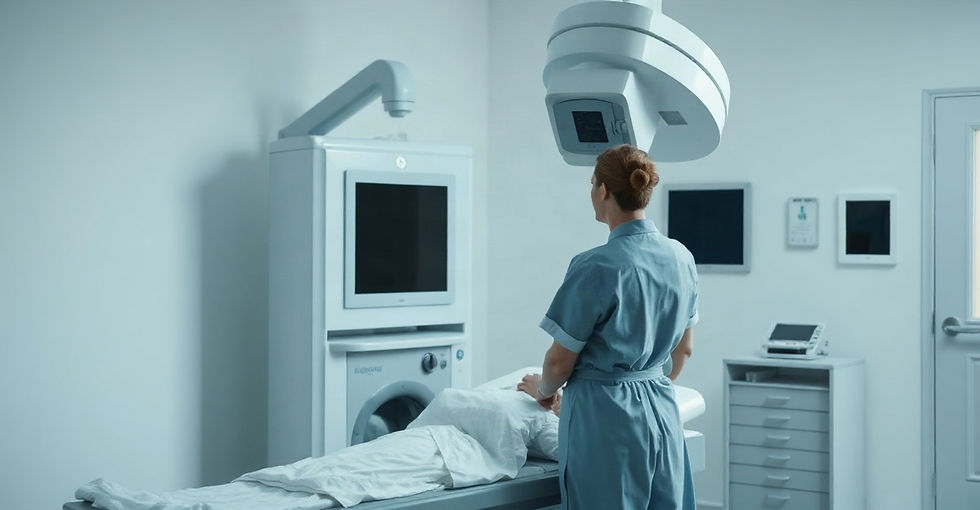
Plan to arrive around 15 to 30 minutes before your scheduled time to complete registration and safety screening forms. You will be asked to remove metal objects such as jewellery, belts, and sometimes clothing with zips, and may be given a gown depending on the area being scanned.
If contrast is used, a small cannula is placed in your arm for the injection, which is given either before or during the scan itself. The scan itself is quick, often taking only a few minutes of actual imaging, though the full appointment including preparation and positioning can take 20 to 45 minutes.
A CT scanner is a short, open-ended tunnel rather than the long enclosed tube used for MRI, which many patients find more comfortable if they are prone to feeling closed in. You will need to lie still and may be asked to hold your breath briefly during certain sequences.
Images are reviewed afterward by the centre's radiologist, and a report is sent to your referring doctor, who will discuss the findings and any next steps with you directly.
After the Scan
If you received contrast, drinking extra water over the following day helps your kidneys clear the dye. Most people can resume normal eating and activity immediately after the appointment.
Mild soreness at the injection site is normal and usually settles quickly. Contact the imaging centre or your doctor if you notice unusual swelling, a rash, or persistent nausea after leaving.
If you are comparing options across emirates or want to understand typical costs before booking, the CT scan cost guide breaks down what affects pricing at centres licensed by the relevant UAE health authority.
Frequently Asked Questions
Do I need to fast before every CT scan?
No. Fasting is generally only requested for scans involving contrast dye, and even then usually only for 4 to 6 hours. Non-contrast CT scans typically require no fasting.
Can I drink water before a CT scan?
Yes, clear fluids like water are usually fine even during a fasting period before contrast, unless the centre specifically instructs otherwise.
Is a kidney function test always needed before contrast CT?
It is commonly requested, especially for patients over a certain age or with kidney, diabetes, or heart conditions, as a safety check before administering contrast dye.
How long does a CT scan appointment take?
The scan itself often takes only a few minutes, but the full appointment, including registration, positioning and any contrast injection, usually takes 20 to 45 minutes.
Will the contrast dye make me feel unwell?
Some people notice a brief warm sensation or mild nausea during the injection, but significant reactions are uncommon. Tell the centre about any known allergies beforehand.
This article is general information for patients in the UAE, not medical advice. MelioHealth is a booking and referral service; it does not provide medical advice, diagnosis, or treatment. Always follow the guidance of your referring doctor and the licensed imaging centre or laboratory performing your test. MelioHealth is not an emergency service: in an emergency call 998 for an ambulance or go to the nearest emergency department.

Comments